Seabird Population Survey in Ireland, Puffin Island

1. Location & Issue

High-resolution survey of an internationally important seabird colony.
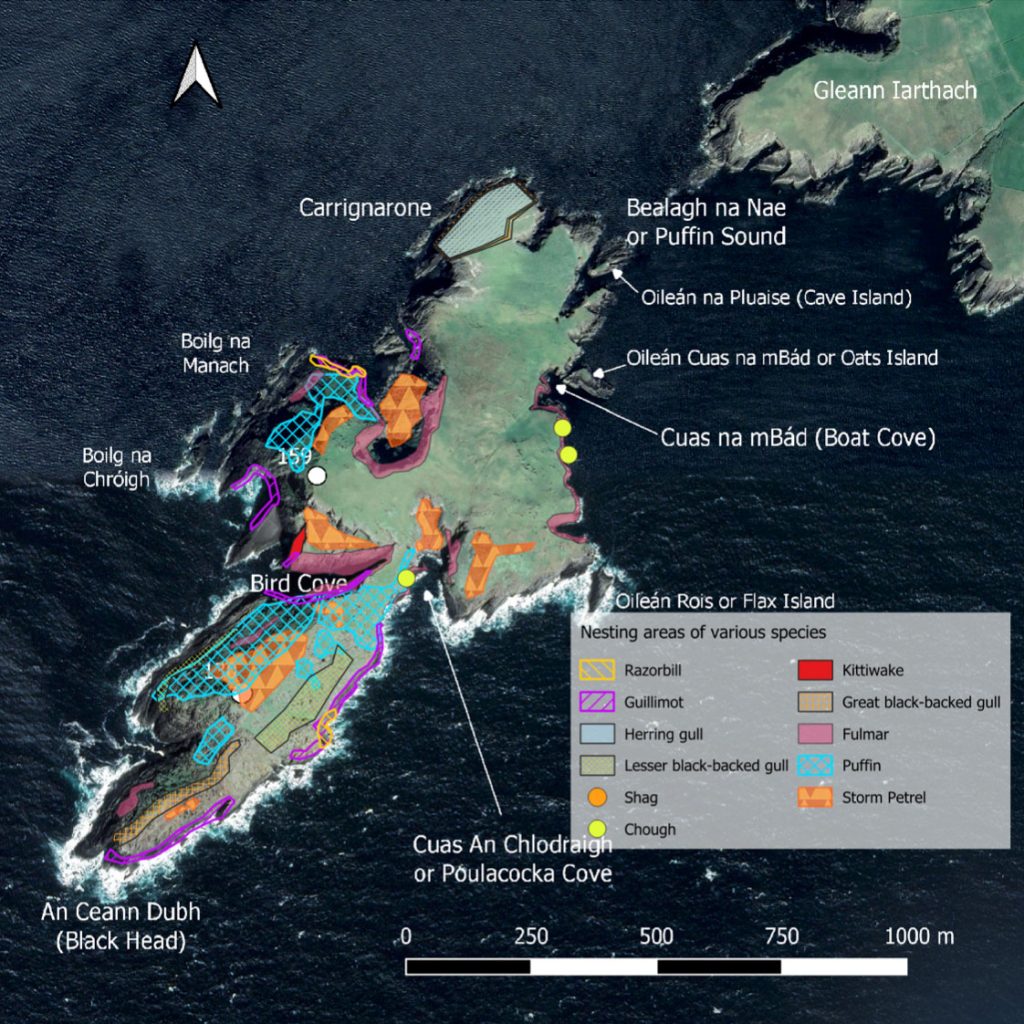
ecology research and solutions map of nesting areas for each individual species

Commissioned by the National Parks & Wildlife Service (NPWS)
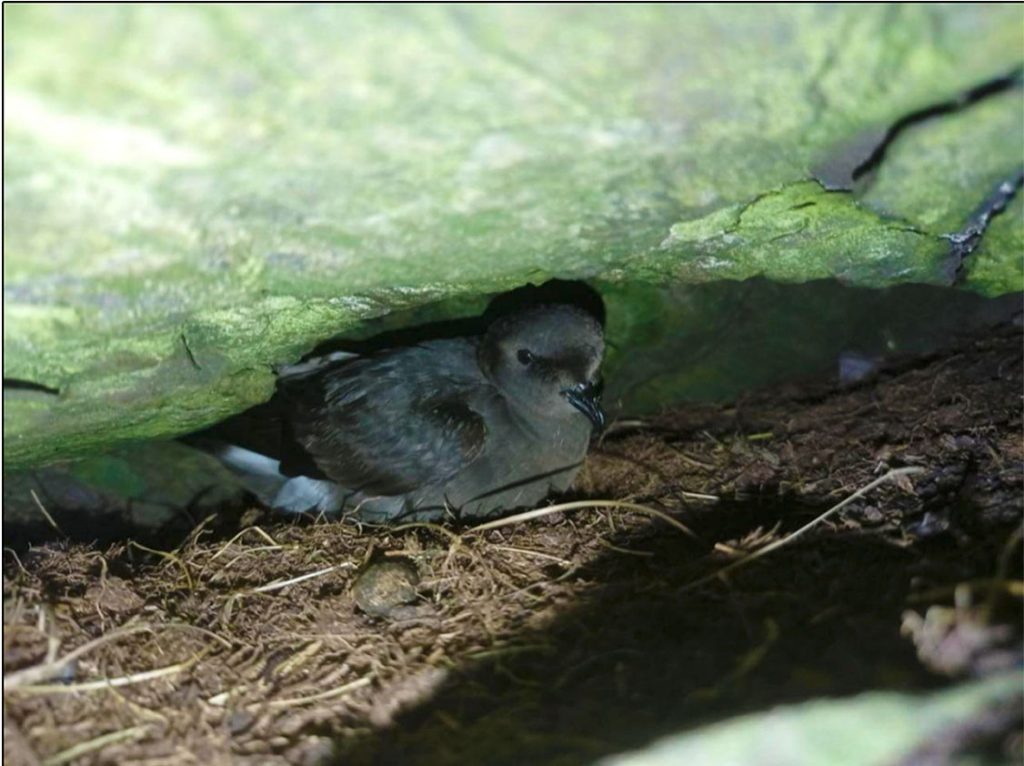
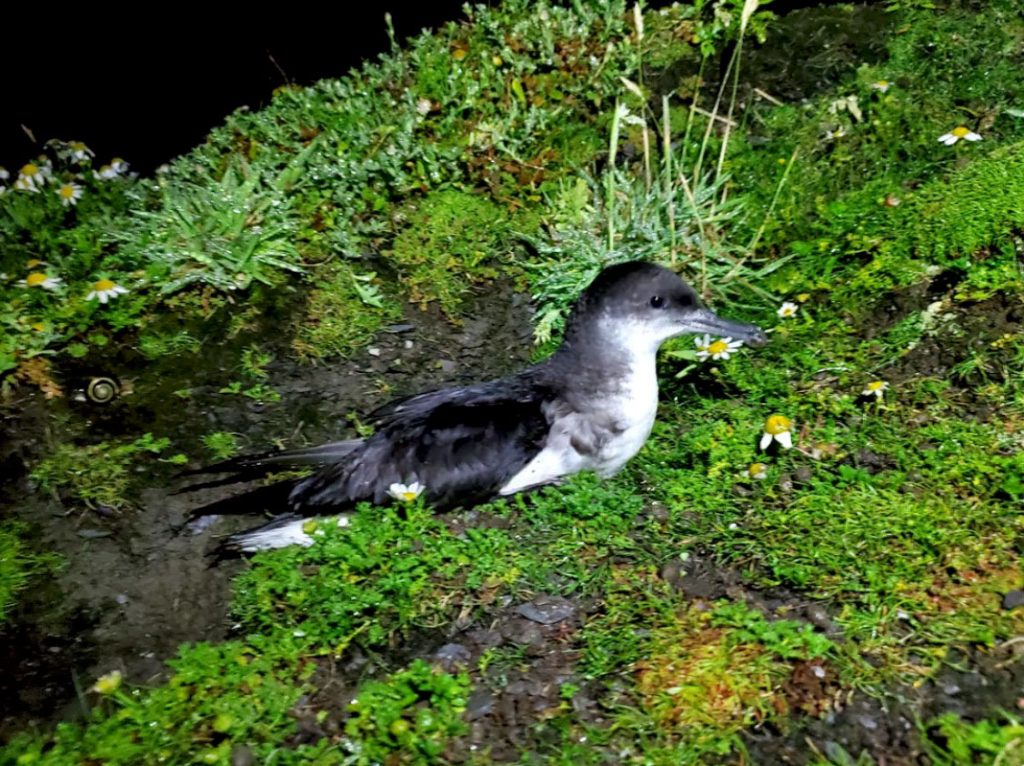
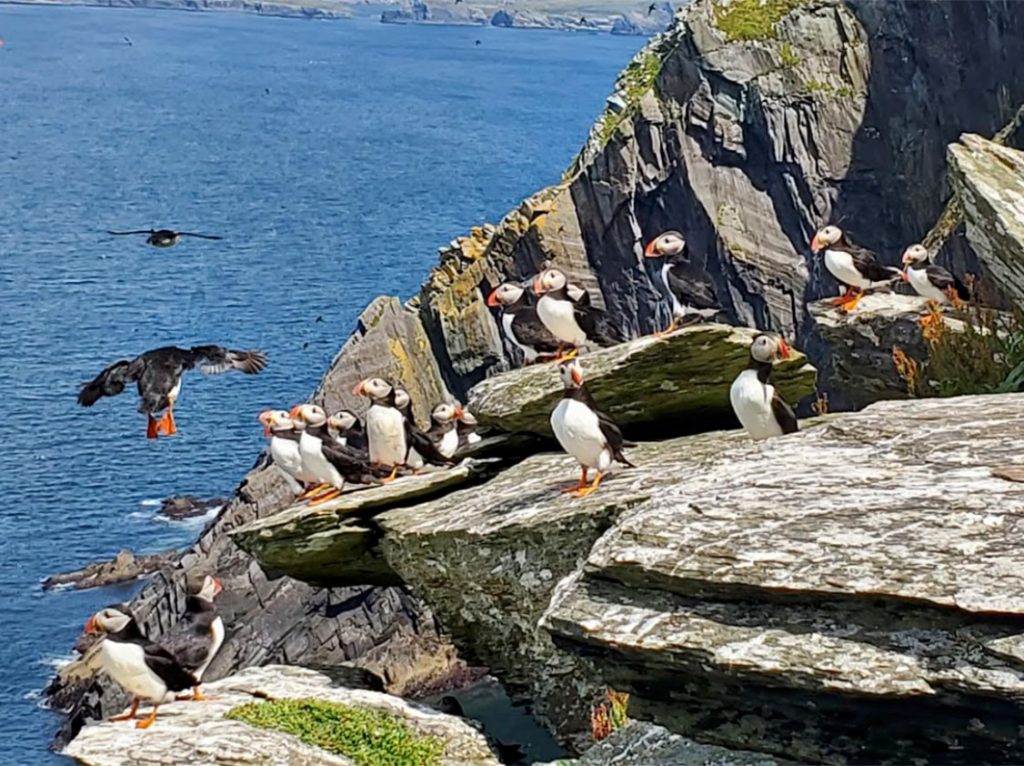
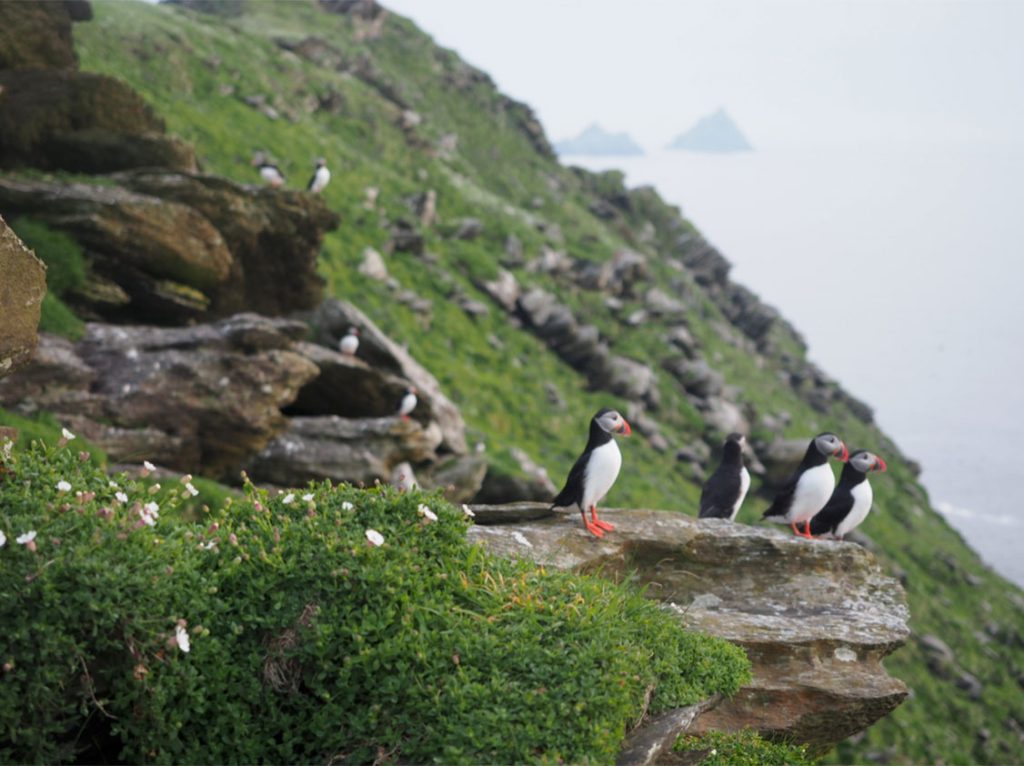
Ecology Research & Solutions was commissioned to undertake a comprehensive seabird population survey on Puffin Island, a remote and uninhabited island off South Kerry. The project focused on protected breeding seabirds including puffins, guillemots, black guillemots, razorbills, 4 gull species including kittiwakes, choughs, peregrine falcons, storm petrels and Manx shearwaters. 

The terrain is extremely challenging, with large sections accessible only by rope and extensive cliff faces requiring boat-based assessment.

Access posed significant logistical constraints. The island has no pier or jetty and can only be accessed at certain tides and during suitable sea conditions. Survey deployment therefore depended on short weather windows throughout the summer; and this was further complicated by the tight timing constraints within the different methodologies for each of the 12 target species. 

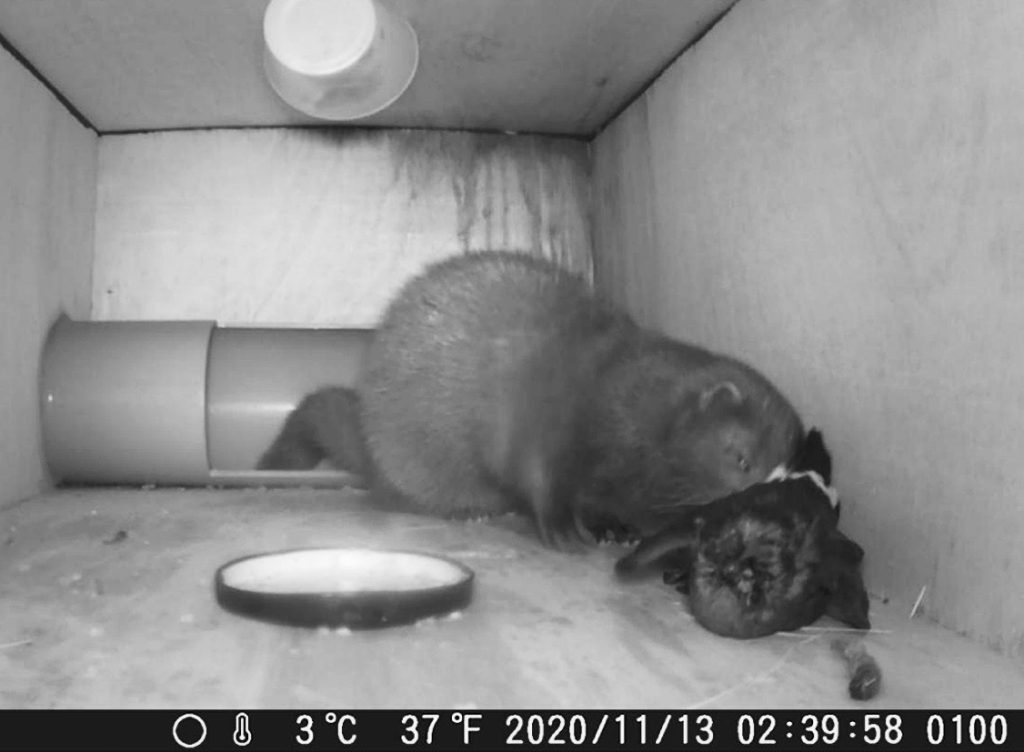
An additional issue was the presence of invasive American mink, posing a serious threat to ground-nesting and burrow-nesting bird populations.

2. Solution & Outcome

We developed and implemented a multi-method survey programme tailored to the island’s terrain and access limitations, and scheduled around the splayed timing and breeding behaviour of each of the 12 target species. Rope-access techniques were used inland, while boat-based surveys ensured full coverage of cliff nesting sites. Fieldwork was carefully timed around tidal and weather conditions to maximise efficiency during safe access periods.

Using a variety of different methodologies, comprehensive population data was successfully collected for all protected seabird species across the island — representing one of the first coordinated surveys of its scale. In parallel, we installed mink monitoring stations and implemented a targeted capture programme, which removed two mink from the island, reducing predation pressure on vulnerable nesting birds.

The project demonstrates our ability to deliver technically complex ecological surveys in remote marine environments, combining specialist access methods, boat-based survey capability and invasive species management to achieve measurable conservation outcomes.
Scroll to Top